
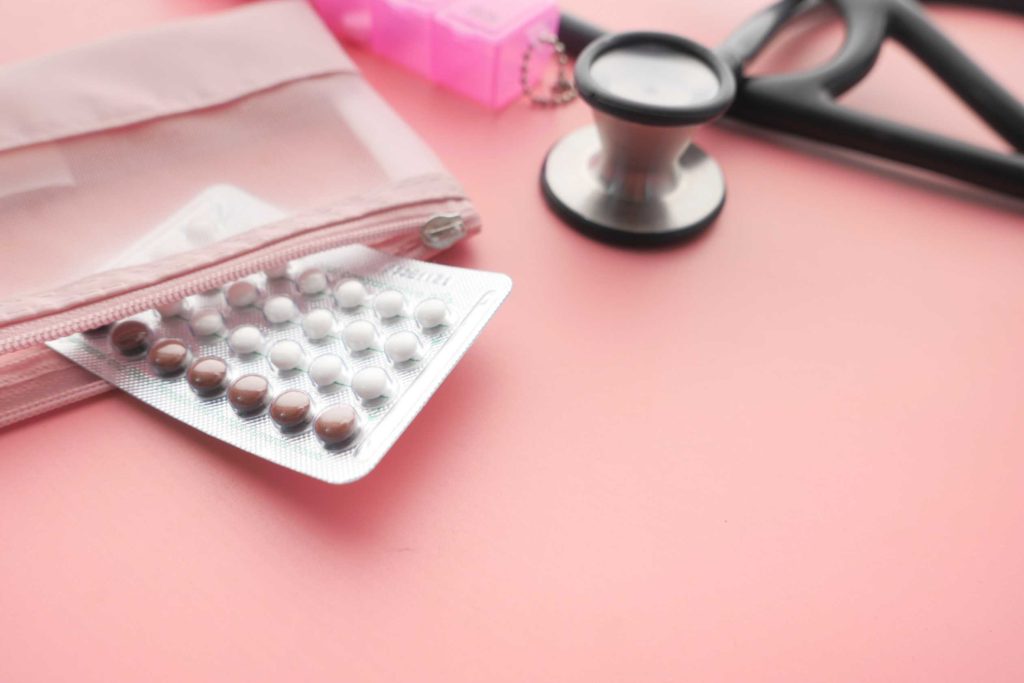
No. Emergency contraception does not protect against sexually transmitted infections (STIs). It is designed to prevent pregnancy after unprotected sex or contraceptive failure. If there may have been an STI risk, you’ll need to consider testing and other forms of protection separately.
What Is Emergency Contraception?
Emergency contraception is a method used to reduce the chance of pregnancy after unprotected sex or when contraception hasn’t worked as expected. This could include forgetting to take your contraceptive pill or a condom splitting during sex.
In the UK, emergency contraception includes the emergency contraceptive pill and the copper IUD. The pill works mainly by delaying or stopping ovulation, while the copper IUD works by preventing an egg from being fertilised or from implanting in the womb. Neither method treats nor prevents sexually transmitted infections.
Does the Morning After Pill Protect Against STIs?
No. Taking the morning-after pill won’t protect you from an STI. There are two main types of emergency contraceptive pill: levonorgestrel, which needs to be taken within 72 hours of unprotected sex, and ulipristal acetate, which can be taken within 120 hours. Neither works against the bacteria or viruses that cause STIs.
So, even if you’ve taken emergency contraception, it’s worth thinking about whether you may have been exposed to an STI.
Why Unprotected Sex Still Carries an STI Risk
Unprotected sex and STIs are closely linked, regardless of whether emergency contraception is used afterwards. Emergency contraception addresses the risk of pregnancy only, so any exposure to infections such as chlamydia, gonorrhoea or HIV during unprotected sex remains unchanged, even after taking the morning-after pill.
Benefits of Getting the Full Picture, Not Just Emergency Contraception
Looking beyond pregnancy prevention gives you a clearer, more complete picture of your sexual health. This approach offers:
- Peace of mind that both pregnancy and infection risks have been addressed.
- Earlier detection and treatment if an STI is present.
- Confidential, judgement-free advice tailored to your situation.
- A chance to discuss ongoing contraception that suits you.
What Should You Do After Unprotected Sex?
Taking emergency contraception is an important step if you’re worried about pregnancy, but it doesn’t address STI risk. Depending on what happened, you may also want to consider STI testing and think about how to protect yourself in future.
Consider STI Testing
If you have had unprotected sex, it is worth considering an STI test even if you feel completely well. Many STIs don’t cause noticeable symptoms, particularly in the early stages. Some also have a window period, so you may need to wait before testing will give an accurate result. A pharmacist or sexual health clinic can advise you on the best time to test.
Use Condoms for Ongoing Protection
Condoms remain the only contraceptive method that also reduces the risk of STIs, including HIV. Using them consistently can lower your risk during future sexual contact, while you can also use another form of contraception if you want additional pregnancy protection.
Not Sure What to Do Next? We Can Help
If you’ve had unprotected sex and need emergency contraception or are worried about STIs,Townsend Pharmacy is here to support you. Our trained pharmacists can talk you through your options in confidence, without judgement, and help you decide what to do next. Book an appointment or speak to us if you’d prefer to talk things through.
Frequently Asked Questions
Does emergency contraception protect against STIs?
No. Emergency contraception, including the morning after pill and the copper IUD, only works to prevent pregnancy. It has no effect on sexually transmitted infections.
Can I get an STI even if I take the morning-after pill?
Yes. The morning after pill does not reduce your risk of STIs, so if you have had unprotected sex, that risk remains regardless of whether you take emergency contraception.
How soon after unprotected sex should I get tested for STIs?
This depends on the infection, as some need a short window period before testing is accurate. A pharmacist or sexual health clinic can advise on the right timing for your situation.
What is the only method that protects against both pregnancy and STIs?
Condoms are the only contraceptive method that also reduces the risk of STIs, including HIV, when used consistently and correctly.
Should I still see a pharmacist if I’ve already taken emergency contraception?
Yes. It is worth discussing STI testing and ongoing contraception, since emergency contraception only addresses the risk of pregnancy from that one instance of unprotected sex.
Is emergency contraception available without an appointment?
In many cases, yes. Pharmacies such as Townsend Pharmacy can often provide emergency contraception on the same day, either in-store or by appointment.