
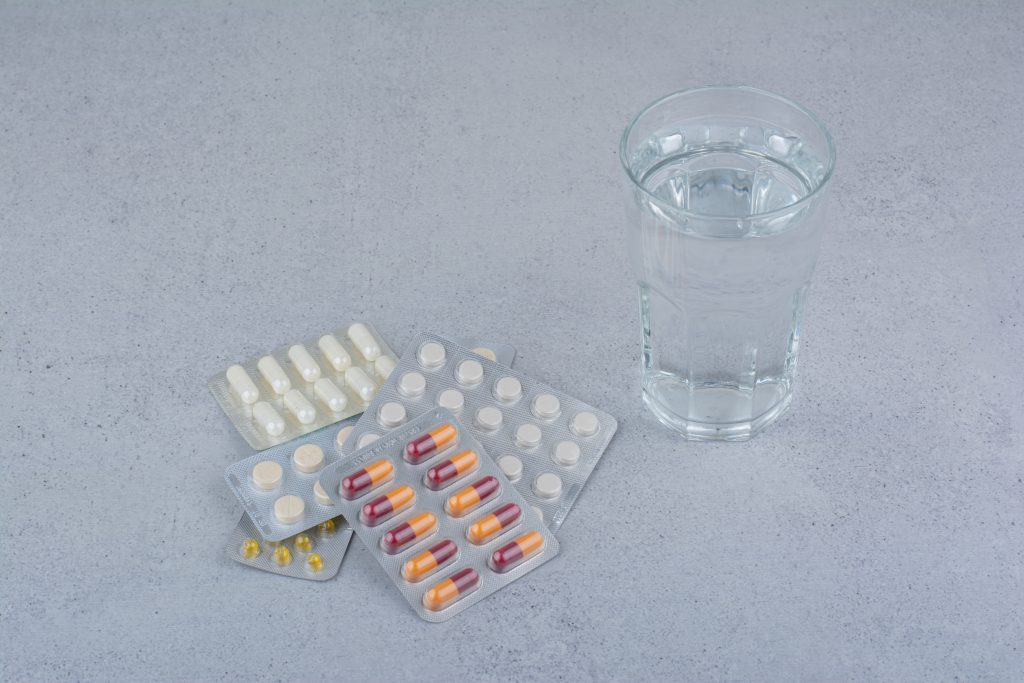
Most malaria tablets need to be started between one day and three weeks before you travel, depending on which type you are prescribed. For that reason, it is sensible to book a travel health consultation four to six weeks before your trip. This gives you enough time to get the right advice, start your tablets at the recommended point and deal with any potential side effects before you leave.
Why Timing Matters for Malaria Tablets
Malaria tablets need time to build up in your system before they can offer reliable protection, and starting too late leaves you exposed during the first days of your trip, when infected mosquito bites can happen. Some tablets also require an early start so any side effects can be identified and, if necessary, switched before you travel, rather than discovered once you have already left the UK.
Which Countries Carry a Malaria Risk
Malaria risk countries are concentrated across sub-Saharan Africa, South Asia, and parts of South America and Southeast Asia, though the level of risk varies significantly by region and even by season within the same country. Rather than relying on general assumptions, check your exact itinerary against the country-specific guidance on TravelHealthPro, the UK’s national travel health resource, since risk can differ dramatically between a capital city and a rural safari region in the same country.
When to Start Each Type of Malaria Tablet
The recommended start date depends on the antimalarial you have been prescribed. Some tablets are started just one or two days before entering a malaria risk area, while others need to be started several weeks earlier.
| Tablet | Start before travel | Continue after return |
| Atovaquone/proguanil (Malarone) | 1 to 2 days | 7 days |
| Doxycycline | 1 to 2 days | 4 weeks |
| Mefloquine (Lariam) | 2 to 3 weeks | 4 weeks |
| Chloroquine and proguanil | 1 week | 4 weeks |
A pharmacist or travel clinic will recommend an appropriate option based on your destination, medical history and length of stay. The recommended antimalarial can also vary depending on local drug resistance patterns.
What Side Effects Should You Expect?
Malaria tablet side effects vary depending on the medicine. Some people may experience mild stomach upset or headaches, while certain medicines can cause other side effects that need to be considered when choosing an antimalarial.
- Malarone: nausea, headache, occasional stomach upset.
- Doxycycline: increased sun sensitivity, thrush, stomach upset.
- Mefloquine: vivid dreams, anxiety, low mood, and unsuitable for anyone with a history of depression or epilepsy.
- Chloroquine and proguanil: mouth ulcers, hair thinning, and rarely, visual disturbances.
Your travel health professional can discuss possible side effects with you and check whether a particular antimalarial is suitable based on your health and medicines.
Book Your Pre-Travel Consultation Early
Booking your appointment when your travel dates are confirmed, ideally four to six weeks before you leave, gives you time to arrange malaria tablets and any other travel vaccinations you may need. It is particularly useful if you are prescribed an antimalarial that needs to be started several weeks before travel.
Even if you are travelling sooner, it is still worth getting travel health advice. Some malaria tablets can be started shortly before travel, depending on the medicine and destination.
Sort Out Your Malaria Protection Before You Go
Do not leave your malaria protection until the last minute. If you are looking for a travel clinic in Crawley and the surrounding areas, Townsend Pharmacy offers malaria risk assessments and malaria tablets for travel based on your destination and health needs. Book your travel health consultation with Townsend Pharmacy today and get your travel health arrangements sorted before you go.
Frequently Asked Questions
When should I start taking malaria tablets before I travel?
Most malaria tablets should be started between one and two days before travel for Malarone and doxycycline, or two to three weeks before travel for mefloquine, so it’s best to check with a pharmacist which applies to your prescribed tablet.
How far in advance should I book a travel health consultation?
NHS guidance recommends booking a pre-travel consultation at least four to six weeks before you leave, giving enough time to start longer-lead tablets and arrange any other vaccinations you may need.
What are the most common malaria tablet side effects?
Common side effects include mild stomach upset and headache with Malarone, increased sun sensitivity with doxycycline, and vivid dreams or mood changes with mefloquine, though most people tolerate their prescribed tablets well.
Which countries are considered malaria risk countries?
Malaria risk is highest across sub-Saharan Africa, parts of South Asia, South America, and Southeast Asia, though the exact risk depends on the specific region, altitude, and time of year, so it’s worth checking country-specific guidance before you travel.
Can I get malaria tablets for travel without a GP appointment?
Yes, many pharmacies and travel clinics, including Townsend Pharmacy, can assess your malaria risk and supply appropriate antimalarial tablets directly, often without needing a separate GP appointment.
Do I still need malaria tablets if I’m only travelling for a short trip?
Yes, malaria risk isn’t linked to trip length; a single infected mosquito bite is enough to cause infection, so antimalarial tablets are recommended for any trip to a risk area regardless of duration.