
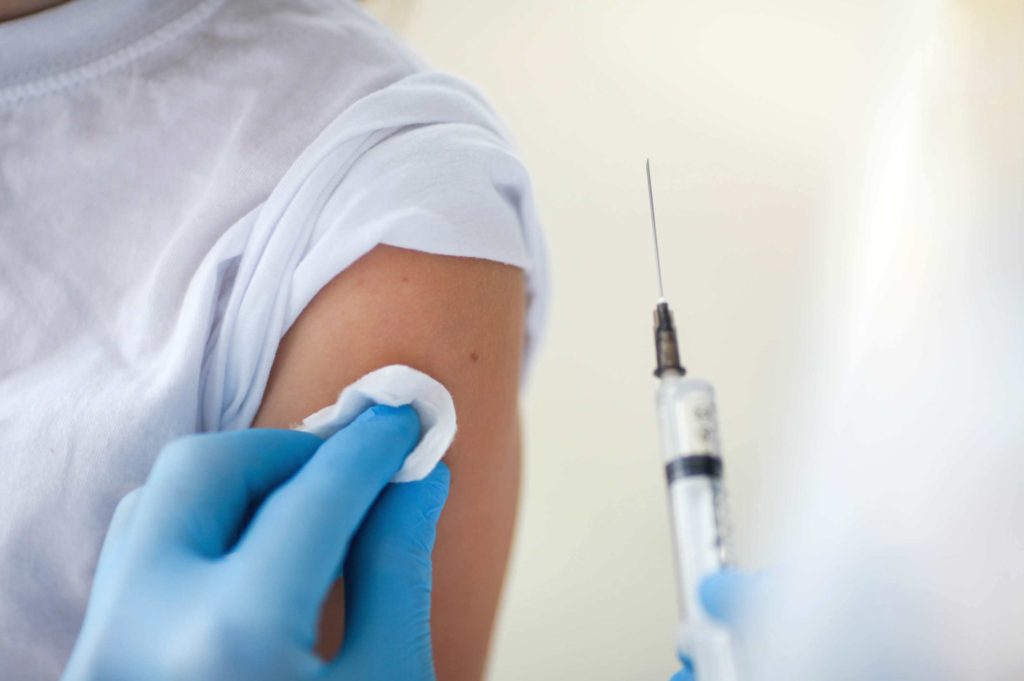
Flu vaccines are recommended every year because the influenza virus keeps changing, and protection from last year’s dose has usually faded by the time a new flu season begins. Having a flu jab every year, rather than a one-off dose, is the only reliable way to stay protected against the strains actually circulating that winter.
So, if you are wondering why your GP or pharmacy recommends another flu vaccine each year, it comes down to two things: the changing virus and the way immunity develops and fades over time.
Why Flu Viruses Change Every Year
Flu viruses change constantly through a process called antigenic drift. This means the strains circulating this winter are rarely exactly the same as those that caused infections last year. Even small changes to the virus’s surface proteins can affect how well existing immunity recognises and responds to them.
This is one reason why a vaccine designed for one flu season may provide less protection during the next.
How Experts Choose Each Year’s Vaccine Strains
The WHO meets with an international panel of experts to review global surveillance data and recommend which strains should form that season’s vaccine. In the UK, the Joint Committee on Vaccination and Immunisation then advises on how these strains are applied across NHS vaccine types.
Why Last Year’s Flu Jab Will Not Protect You Now
The protection provided by a flu vaccine does not last indefinitely. Even when last winter’s vaccine matched the circulating strains well, antibody levels can decline over the following months.
By the time the next flu season arrives, protection may have reduced. At the same time, the virus itself may have changed. Together, these factors are why a seasonal flu jab is recommended as an annual vaccination rather than a one-off dose.
How Effective Is the Flu Vaccine?
Flu vaccine effectiveness varies from year to year depending on how well the vaccine matches circulating strains; UK data has shown effectiveness ranging from around 15% in a poorly matched season to over 50% when the match is good. Even in years when protection is lower, vaccinated people who still catch flu tend to have milder symptoms and a lower risk of complications such as pneumonia or hospitalisation.
When to Get Your Flu Jab
The best time to get your flu jab is in autumn, ideally between September and early November, before flu starts spreading widely across the UK.
- The vaccine takes around 10 to 14 days to provide full protection.
- Immunity fades over the following months, so vaccinating too early can weaken protection by peak season.
- If you miss your autumn vaccination, it is still worth booking later, as flu can continue to circulate during winter.
Who Should Get a Seasonal Flu Vaccine Every Year?
The NHS offers a free flu vaccine every autumn to anyone at higher risk of becoming seriously unwell from flu, including:
- Adults aged 65 and over
- Pregnant women
- Anyone with a long-term condition, such as asthma, diabetes, or heart, kidney, or liver disease
- Young children, including some 2 and 3-year-olds and school-aged children
- Carers, care home residents, and frontline health and social care workers
Full eligibility details are set out on the NHS flu vaccine page and are updated each year by the UK Health Security Agency.
Get Ready for Flu Season at Townsend Pharmacy
Protecting yourself and your family from flu starts with one simple appointment. Townsend Pharmacy offers convenient private flu vaccinations with a friendly, experienced team and flexible hours to fit your week. Do not wait for flu season to catch you unprepared; book your flu vaccine appointment with Townsend Pharmacy today and get your vaccination sorted before winter gets into full swing.
Frequently Asked Questions
Do I need a flu vaccine every year even if I had one last year?
Yes. Flu strains change each year, and the immunity from last year’s vaccine will have faded, so annual vaccination gives you renewed protection against the specific strains expected this season.
How effective is the flu vaccine?
The flu vaccine typically reduces your risk of catching flu by around 40 to 60% in a well-matched season, and even when it doesn’t fully prevent infection, it usually makes symptoms milder.
When is the best time to get my flu jab?
The best time is during autumn, ideally between September and early November, before flu starts spreading widely in the community.
Can I get a flu vaccine at a pharmacy?
Yes. Many pharmacies, including Townsend Pharmacy, offer private flu vaccinations, often with more flexible appointment slots than a GP surgery.
Who is eligible for a free NHS flu vaccine?
People aged 65 and over, pregnant women, those with certain long-term health conditions, young children, carers, and frontline health and social care workers are eligible for a free NHS flu vaccine each year.
Can the flu vaccine give you the flu?
No. The flu vaccines used in the UK do not contain live flu virus, so they cannot give you flu, though some people experience mild, short-lived side effects such as a sore arm or slight tiredness.